Our organ-specific toxicity platforms combine advanced in vitro models, including organ-on-chip technologies and stem cell-derived organoids, to provide high-fidelity, human-relevant data for assessing toxic effects on critical organ systems. These models enhance prediction accuracy, reduce reliance on animal testing, and accelerate regulatory decision-making.
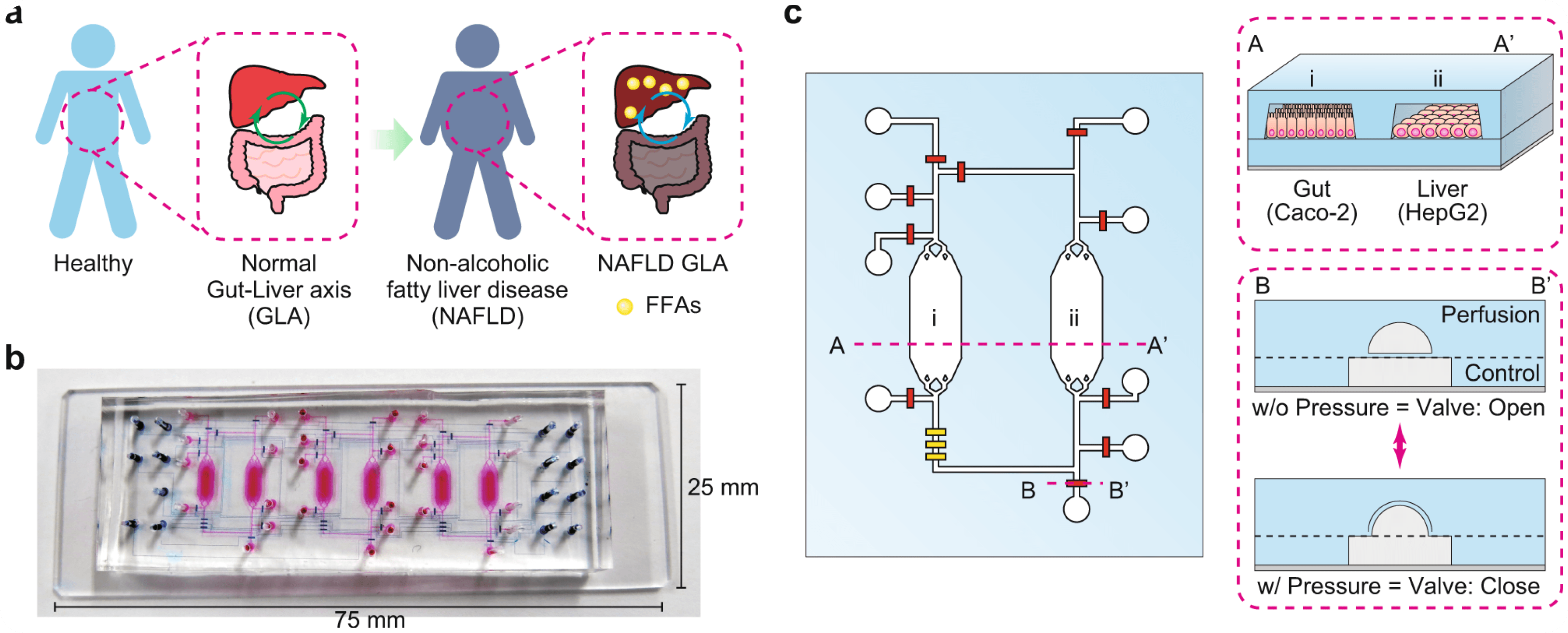
Using functional liver-on-chip devices and induced pluripotent stem cell (iPSC)-derived hepatocytes, we replicate liver metabolism, enzyme activity, and complex cell-cell interactions. This allows sensitive detection of drug-induced liver injury (DILI), evaluating acute and chronic hepatotoxic responses with physiological relevance.
Our hERG potassium channel inhibition assays assess arrhythmogenic risk linked to cardiac repolarization. Complementary multi-electrode array (MEA) assays monitor electrophysiological properties such as beat frequency and conduction in cultured cardiomyocytes, enabling dynamic evaluation of cardiotoxic effects.
We measure neuronal calcium flux using advanced fluorescence imaging to detect perturbations in calcium signaling pathways, a hallmark of neurotoxic injury. This assay affords real-time assessment of neuron functionality and excitotoxic damage.
Our 3D renal organoids recapitulate nephron architecture and kidney-specific functions. These models support detailed toxicological evaluation including tubular damage, glomerular filtration impairment, and biomarker release indicative of nephrotoxicity.
We provide validated alternatives to animal testing including the Hen's Egg Test - Chorioallantoic Membrane (HET-CAM) for ocular irritation, KeratinoSens assay predicting skin sensitization potential, and Direct Peptide Reactivity Assay (DPRA) assessing allergenic reactivity. These assays align with regulatory guidelines promoting humane testing.
Human-relevant, physiologically complex models across major organ systems.
Integrated endpoints combining functional, biochemical, and electrophysiological data.
Compliant with global regulatory and safety standards.
Scalable and adaptable assays supporting discovery through clinical phases.
Scientific and regulatory expertise ensuring robust toxicological interpretation.
