Accurate assessment of cytotoxicity is foundational to evaluating the safety profile of compounds, materials, and formulations intended for human use. Our sophisticated cytotoxicity testing portfolio combines multiple complementary assays to deliver detailed insights into cell viability, metabolic function, membrane integrity, apoptosis, and oxidative stress.
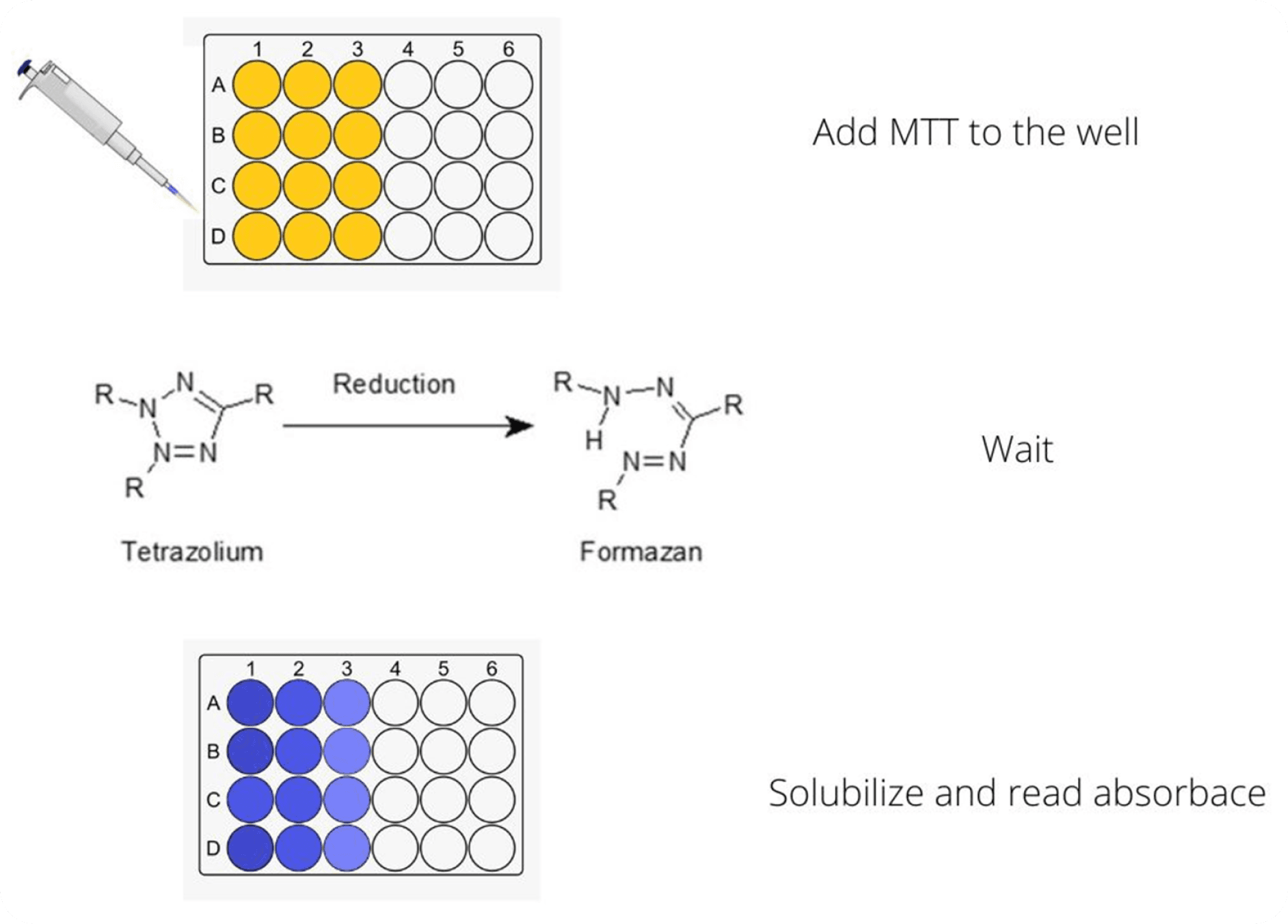
We utilize these well-established metabolic assays that rely on cellular reduction of tetrazolium salts to formazan products, providing sensitive, high-throughput quantitative measures of viable, metabolically active cells in response to test substances.
Our membrane integrity assays detect cytotoxicity through measurement of lactate dehydrogenase (LDH) release or dye uptake, signaling compromised plasma membranes and cellular damage at varying levels of toxicity.
Highly sensitive luminescent assays measuring ATP levels—reflective of cellular energy and viability—facilitate early and robust cytotoxicity detection suitable for diverse cell models, including 3D cultures.
To distinguish apoptosis from necrosis and evaluate mitochondrial health, we integrate Annexin V staining, JC-1 dye assays evaluating mitochondrial membrane potential, and reactive oxygen species (ROS) measurements assessing oxidative stress contributions to cell death.
Multiparametric assay combination delivering comprehensive cytotoxicity profiles.
Sensitive, reproducible, and scalable assays suited for discovery through regulatory contexts.
Adaptation to varied cell types, 2D and 3D cultures, and complex formulations.
Robust quality assurance ensuring compliance with international standards.
Expert interpretation with actionable data to support safety evaluations.
